

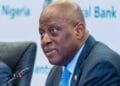
Nigeria’s foreign reserves have risen to $46.7 billion, the highest level in nearly seven years according to Central Bank of Nigeria (CBN) governor Olayemi Cardoso.
Speaking during an engagement with the Senate Committee on Banking, Insurance and Other Financial Institutions on Thursday, Cardoso said the reserve level now provides 10.3 months of import cover, attributing the milestone to renewed investor confidence and improving foreign exchange stability.
ALSO: CBN Revised Cash Limits Split Opinions Across Financial Sector In Nigeria
He noted that the spread between official and parallel market exchange rates has narrowed to below 2%, down from over 60% a year earlier, signalling what he called “a more orderly and stable FX market.” The average exchange rate has also strengthened to ₦1,442.92 per dollar as of November 26, an improvement from the ₦1,551.08 average recorded in the first half of the year.
Diaspora Remittances Surge, FX Backlog Cleared
Cardoso reported a 66.7% jump in diaspora remittances, rising from about $200 million to roughly $600 million monthly in recent months.
He also highlighted the successful clearance of the $7 billion verified FX backlog, which he described as critical to restoring economic credibility and strengthening investor sentiment.
On inflation, he said headline inflation has declined for seven consecutive months to 16.05% in October, its lowest level in three years while food inflation has eased to 13.12%.
Economy Grows 3.98% in Q3 2025
Nigeria’s economy expanded by 3.98% in the third quarter of 2025, driven largely by crop production, ICT, real estate, and financial services. Cardoso said the outlook for 2026 remains “very positive,” citing Nigeria’s strong digital payments landscape and a fintech industry that has produced eight of Africa’s nine unicorns.
Senators Praise CBN Reforms
Committee chairman Tokunbo Abiru commended the CBN’s policy direction, saying lawmakers have observed “remarkable macroeconomic improvements” since their previous meeting in July.
He added that global institutions have taken notice, pointing to improved ratings from Fitch and S&P Global Ratings, which he said reflect better policy credibility, investor confidence, and broader macroeconomic stability.








Comments 1