
Nigeria inflation rate has continued its downward trend, easing to 16.05% in October from 18.02% in September 2025, driven by the Central Bank of Nigeria’s (CBN) monetary policy easing and the positive impact of key macroeconomic reforms. The reforms have also helped stabilise the naira and pushed foreign reserves to $46 billion.
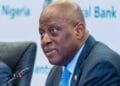
The CBN is expected to sustain its policy easing as the Monetary Policy Committee (MPC) meets on November 24–25 for its 303rd sitting. Governor Olayemi Cardoso highlighted that previous MPC decisions have strengthened the naira’s competitiveness in global markets and improved investor confidence.
CBN Says Reforms Are Filtering Into the Economy
According to the apex bank, ongoing structural reforms and policy alignment with the fiscal authorities are beginning to ease lending rates, stabilise the foreign exchange market, and moderate inflation after years of macroeconomic strain.
ALSO: DMO Upsizes November Bond Reopening to N500bn as Liquidity Boost Supports Strong Demand
CBN leadership says lower lending rates and a more stable financial environment are clear signs that monetary reforms are gaining traction.
MPC’s Earlier Rate Cut Helped Pull Down Inflation
At its 302nd meeting in September, the MPC slashed the Monetary Policy Rate (MPR) by 50 basis points, lowering it from 27.5% to 27%, the first cut since the start of the tightening cycle. The move set the stage for the latest decline in inflation.
Data from the National Bureau of Statistics (NBS) shows that on a year-on-year basis, October’s inflation rate represents a sharp 17.82 percentage-point drop from 33.88% in October 2024.
Month-on-month inflation, however, quickened slightly to 0.93% from 0.72% in September.
FX Stability, Stronger Naira, Rising Reserves
Nigeria’s recent economic gains extend to the FX market. The naira has appreciated 3.5% year-to-date, strengthening from N1,555/$ in January to N1,450/$ at the parallel market. After temporary fluctuations earlier in the year, policy intervention helped the naira firm to N1,475/$ in October at the official window before settling at N1,500/$ yesterday.
Governor Cardoso, speaking at the G-24 briefing during the IMF/World Bank Annual Meetings in Washington D.C., said Nigeria’s currency is “turning the corner”, adding that the economy has been restructured to withstand global shocks. He noted that Nigeria is now recording a trade surplus of 6% of GDP, supported by a more competitive currency and a shift from import dependency to domestic production.
Economic Indicators Show Renewed Confidence
The CBN’s foreign exchange reforms; willing buyer-willing seller market, improved diaspora remittance channels, licensing of more IMTOs, and clearing backlogs have attracted dollar inflows and boosted reserves. Diaspora remittances, estimated at $23 billion annually, remain a key FX source.
The International Monetary Fund (IMF) projects 3.9% GDP growth for Nigeria in 2025, citing stable FX markets, improving production, and stronger investor sentiment.
Experts Say Growth Must Translate Into Welfare Gains
Dr. Baba Musa, Director-General of WAIFEM and President of the Nigerian Economic Society, urged government to ensure that projected growth translates into more jobs, rising incomes, and better productivity. He noted that Nigeria is at a “turning point” but remains structurally fragile.
He said sustained reforms, human capital investments, and policy consistency will help Nigeria build a more competitive and resilient economy.