

The Federal Government of Nigeria’s aggressive clampdown on online fraud which was recently executed in partnership with global tech giants has reshaped the conversation around digital banking security and user trust. With more than 28 million fraudulent accounts disabled and 58.9 million harmful content items removed, the scale of the operation signals both the severity of cybercrime and the weight of regulatory intervention. But even as the government celebrates its sweeping enforcement, industry analysts warn that the implications for user confidence in digital financial platforms are far more complex.
Nigeria’s digital banking and fintech ecosystem is expanding at a record pace, fueled by smartphone penetration, cheaper internet access, and an increasingly cash-averse population. In this competitive environment, fintechs have rapidly rolled out innovative products such as instant payments, mobile lending, digital wallets, virtual cards.
ALSO: Africa’s $100bn SME Credit Gap Forces a New Era of Bank–Fintech–Telco Convergence
But with scale comes exposure. The government’s recent crackdown underscores the escalating tug-of-war between innovation and cybercrime, forcing the industry to confront an uncomfortable truth: trust is now just as critical as technology.
Meanwhile, the Federal Government’s partnership with Google, TikTok, LinkedIn and other global platforms marks one of its most coordinated anti-fraud efforts to date.
Authorities say the takedowns were necessary to combat impersonation, phishing campaigns, and identity theft rings that increasingly target digital financial users.
Cybersecurity officials describe the crackdown as part of a broader agenda to strengthen national protections, improve digital crisis response, and curb financial-related cybercrime, an area where Nigeria has faced global scrutiny.
Though, not everyone sees the move as a flawless victory.
Digital rights researchers note that mass takedowns while justified could erode public confidence if legitimate users feel wrongly flagged or censored.
A recent study reveals 58% of Facebook users lost trust after witnessing broad content moderation actions.
That erosion of trust is especially dangerous in digital banking, where consumer confidence determines adoption, usage, and long-term loyalty.
Fintechs See Compliance as a Competitive Weapon
For forward-thinking fintech operators, the new regulatory environment presents a strategic opportunity rather than a setback.
The 2024 Cybercrimes Act amendments and the Central Bank of Nigeria’s Payments System Vision 2025 provide a clearer framework for security standards and operational compliance.
Fintechs that embrace these rules instead of resisting them can differentiate themselves as:
-
safer,
-
more transparent,
-
more reliable partners for consumers and SMEs.
Compliance has become a value proposition, not a burden.
Digital Banking Use Cases: Security Meets Efficiency
Businesses stand to benefit significantly.
Fintechs can now build highly streamlined, compliant solutions such as:
-
global crypto-enabled payroll systems, built to follow Nigerian and international financial regulations;
-
AI-driven fraud detection tools that shield businesses and users from cyber threats;
-
cross-border payment platforms powered by blockchain for traceability and transparency.
These innovations demonstrate that strong oversight and breakthrough technology can coexist — and even strengthen one another.
Trust Is the New Currency
With fraud cases rising, transparency is no longer optional.
Consumers expect fintechs to:
-
clearly communicate security practices,
-
disclose incident-response processes,
-
educate users on fraud prevention,
-
demystify emerging tech such as crypto and blockchain.
When platforms openly explain how they protect users and follow through, trust grows.
What’s Next for Digital Banking in Nigeria?
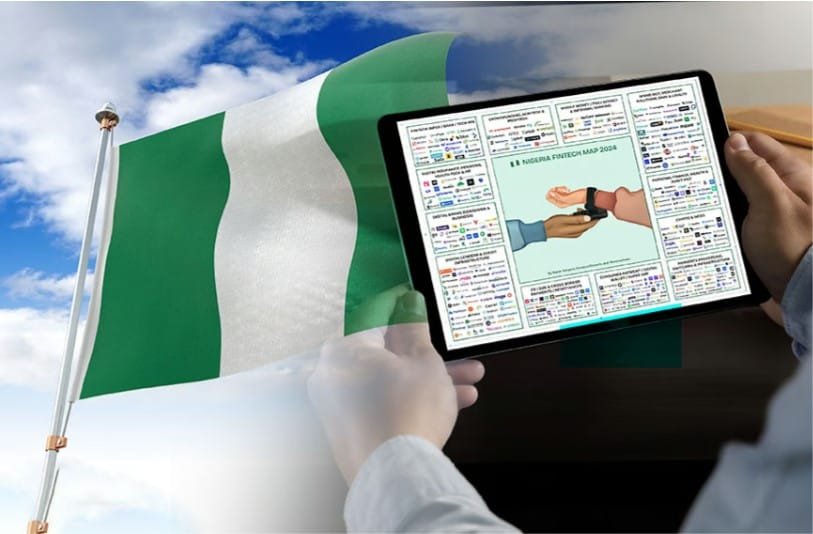
Nigeria’s purge of fraudulent digital accounts signals a turning point for the fintech sector.
It exposes the vulnerabilities in the system but also highlights the enormous potential for credible operators to lead through security, compliance, and responsible innovation.
The future of digital banking in Nigeria will depend on fintechs that can strike the right balance:
Innovation + Regulation + Trust = Sustainable Growth
The race ahead will be won not just by the most creative products, but by the most secure, transparent, and trusted platforms.








Comments 3